
Streamline Production with Contract Packaging Solutions
Efficient packaging plays a crucial role in the success of food products. It affects shelf life, consumer appeal, and regulatory compliance. Managing packaging in-house can be complex and costly. That is why many food brands turn to contract packaging solutions. These services help streamline production, reduce overhead, and improve product quality.
Benefits of Contract Packaging Solutions
Contract packaging solutions offer several advantages for food product companies and CPG brands. First, they provide access to specialized equipment and expertise without the need for capital investment. This allows brands to scale production quickly and meet market demand.
Second, outsourcing packaging reduces operational complexity. It frees up internal resources to focus on product development, marketing, and distribution. Contract packagers handle everything from filling and sealing to labeling and palletizing.
Third, contract packaging solutions often improve quality control. Experienced providers implement strict standards and use advanced technology to ensure consistency. This reduces the risk of packaging defects that can lead to product recalls or customer dissatisfaction.
Finally, these solutions can lower costs. By leveraging economies of scale, contract packagers offer competitive pricing on materials and labor. Brands benefit from predictable expenses and avoid the costs of maintaining packaging lines.
Key benefits include:
Access to advanced packaging technology
Faster time to market
Improved packaging quality
Reduced capital and labor costs
Flexibility to scale production

How Contract Packaging Solutions Improve Efficiency
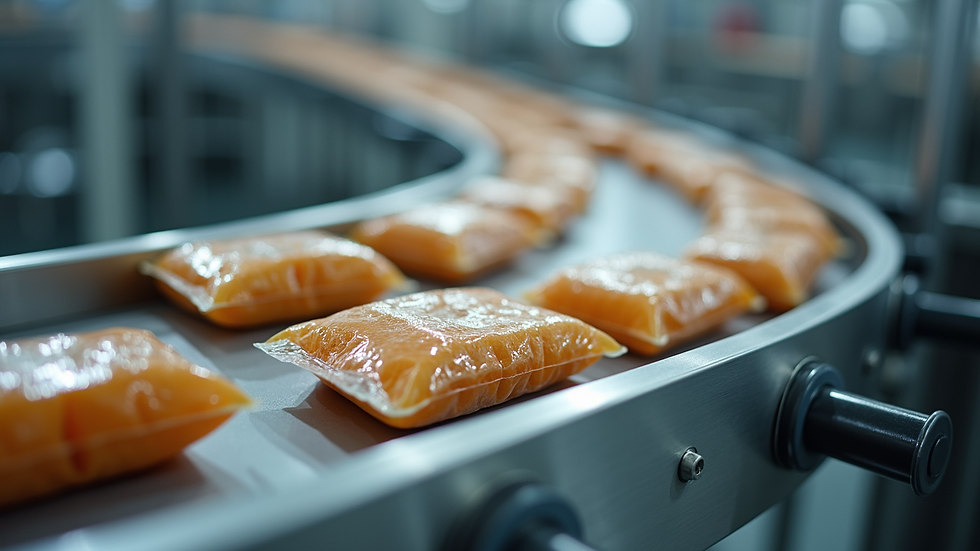
Contract packaging solutions streamline production workflows. They integrate seamlessly with manufacturing processes to reduce bottlenecks and downtime. Providers customize packaging lines to match product specifications and volume requirements.
For example, a contract packager can design a line that handles multiple package sizes or formats. This flexibility allows brands to introduce new SKUs without disrupting existing production. Automated systems speed up filling, capping, and labeling, minimizing manual labor.
Additionally, contract packagers manage inventory of packaging materials. They coordinate procurement and storage, ensuring supplies are available when needed. This prevents delays caused by material shortages.
Communication is another critical factor. Contract packaging providers maintain close collaboration with clients. They share real-time production data and quality reports. This transparency helps identify issues early and implement corrective actions promptly.
Efficiency improvements include:
Customized packaging lines
Automation of repetitive tasks
Inventory management of packaging materials
Real-time production monitoring
Collaborative problem-solving
Choosing the Right Contract Packaging Partner
Selecting a contract packaging partner requires careful evaluation. Consider the provider’s experience with food products similar to yours. Verify their compliance with food safety regulations such as FDA and USDA standards.
Assess their production capacity and scalability. The partner should accommodate your current volumes and support growth. Review their quality assurance processes and certifications like SQF or BRC.
Evaluate the technology and equipment they use. Modern, well-maintained machinery ensures efficient and reliable packaging. Ask about their ability to handle specialized packaging formats or materials.
Customer service is equally important. The partner should offer clear communication, responsiveness, and flexibility. Request references or case studies to gauge their track record.
Finally, analyze pricing structures. Transparent cost models help avoid unexpected expenses. Look for partners who provide detailed quotes and value-added services.
Checklist for selecting a partner:
Food industry experience
Regulatory compliance
Production capacity and scalability
Quality certifications
Technology and equipment
Customer service and communication
Transparent pricing
Leveraging Contract Food Packaging Services for Market Success
Using contract food packaging services can accelerate your product’s journey to market. These services allow you to focus on core competencies like product innovation and brand building.
For example, a startup launching a new snack product can rely on contract packaging to handle production complexities. This reduces time to shelf and lowers upfront investment. Established brands can use these services to manage seasonal demand spikes or test new packaging concepts.
Contract packagers also help ensure compliance with labeling regulations. They can print nutrition facts, ingredient lists, and barcodes accurately. This reduces the risk of regulatory penalties and enhances consumer trust.
Moreover, contract packaging supports sustainability goals. Many providers offer eco-friendly packaging options and waste reduction programs. Partnering with a responsible packager aligns your brand with consumer preferences for green products.
Ways contract packaging supports market success:
Faster product launches
Compliance with labeling laws
Flexibility for seasonal or promotional runs
Access to sustainable packaging options
Focus on core business activities
Enhancing Product Quality and Consistency
Consistent packaging quality is vital for brand reputation. Contract packaging solutions implement rigorous quality control measures. They use automated inspection systems to detect defects such as leaks, incorrect seals, or labeling errors.
Regular audits and testing ensure packaging materials meet specifications. Providers maintain cleanroom environments to prevent contamination. This is especially important for sensitive food products.
Training and certification of packaging line operators contribute to high standards. Experienced staff follow standardized procedures to minimize human error. Documentation and traceability systems track each batch from packaging to shipment.
By outsourcing packaging, brands reduce variability caused by in-house production constraints. This leads to fewer customer complaints and returns. Consistent packaging also enhances shelf appeal and consumer confidence.
Quality enhancement practices include:
Automated defect detection
Material testing and certification
Cleanroom packaging environments
Operator training and standardization
Batch traceability and documentation
Preparing for Future Growth with Contract Packaging
Contract packaging solutions provide the flexibility needed for future growth. As your product line expands, the packaging partner can adapt quickly. They can add new packaging formats, increase throughput, or integrate additional services like kitting and fulfillment.
This scalability reduces the risk of production delays during peak demand. It also supports geographic expansion by enabling packaging closer to target markets. Some providers offer multi-site capabilities to optimize distribution.
Investing in contract packaging frees capital for marketing and product development. It also reduces the complexity of managing multiple suppliers and production lines. This streamlined approach supports long-term business goals.
To prepare for growth, establish clear communication channels with your packaging partner. Regularly review performance metrics and plan capacity increases in advance. Collaborate on innovation initiatives to stay competitive.
Growth preparation strategies:
Flexible packaging line configurations
Multi-site packaging options
Capacity planning and forecasting
Integration of value-added services
Ongoing collaboration and innovation
By leveraging contract packaging solutions, food brands can streamline production, improve quality, and scale efficiently. Partnering with an experienced contract packager is a strategic move to bring products to market faster and more reliably.


Comments