
Exploring Efficient Manufacturing Services with OMP
Bringing a food product to market requires precision, reliability, and scalability. Efficient manufacturing services play a crucial role in helping food brands meet these demands. I want to share insights into how partnering with a contract manufacturer can streamline your production process and ensure consistent quality. This post explores key aspects of efficient manufacturing services, focusing on how they support food product companies and CPG brands.
Understanding Efficient Manufacturing Services
Efficient manufacturing services focus on optimizing production to reduce waste, lower costs, and maintain high quality. For food brands, this means delivering products that meet safety standards and consumer expectations without delays or compromises.
Key features of efficient manufacturing services include:
Scalability: Ability to increase or decrease production volume based on demand.
Quality Control: Rigorous testing and monitoring to ensure product consistency.
Regulatory Compliance: Adherence to food safety laws and certifications.
Supply Chain Management: Coordinated sourcing and logistics to avoid bottlenecks.
By prioritizing these elements, manufacturers help brands avoid common pitfalls such as product recalls, supply shortages, or inconsistent batches.
How Efficient Manufacturing Services Benefit Food Brands
Food product companies face unique challenges. Ingredients can be perishable, production lines must meet strict hygiene standards, and consumer tastes evolve rapidly. Efficient manufacturing services address these challenges by providing:
Faster Time to Market: Streamlined processes reduce lead times, allowing brands to launch products quickly.
Cost Savings: Optimized operations lower production costs, which can improve profit margins.
Flexibility: Ability to adapt recipes or packaging to meet changing market demands.
Expertise: Access to industry knowledge and technology that may be unavailable in-house.
For example, a snack brand launching a new flavor can rely on a contract manufacturer to handle recipe development, ingredient sourcing, and packaging design. This support lets the brand focus on marketing and distribution.

Key Components of a Successful Manufacturing Partnership
Choosing the right manufacturing partner is critical. Here are essential components to consider:
Experience in Food Manufacturing
Look for partners with a proven track record in your product category. Experience ensures they understand specific requirements like allergen control or shelf-life stability.
Capacity and Scalability
Confirm the manufacturer can handle your current volume and scale up as your brand grows.
Quality Assurance Programs
Verify their quality control measures, including certifications such as SQF, BRC, or ISO.
Transparent Communication
Effective communication helps prevent misunderstandings and keeps projects on schedule.
Technology and Innovation
Partners who invest in modern equipment and R&D can offer better efficiency and product innovation.
Location and Logistics
Proximity to your distribution centers can reduce shipping times and costs.
By evaluating these factors, you can build a partnership that supports your brand’s long-term success.
Leveraging OMP Manufacturing Services for Growth
I recommend exploring omp manufacturing services for brands seeking a reliable contract manufacturer. OMP specializes in scalable, high-quality food production tailored to client needs. Their approach includes:
Customized production plans aligned with brand goals.
Robust quality control systems ensuring product safety.
Flexible manufacturing lines capable of handling diverse product types.
Experienced teams that guide clients through regulatory compliance and market challenges.
OMP’s commitment to efficiency and reliability makes them a strong partner for food brands aiming to expand their market presence without sacrificing quality.
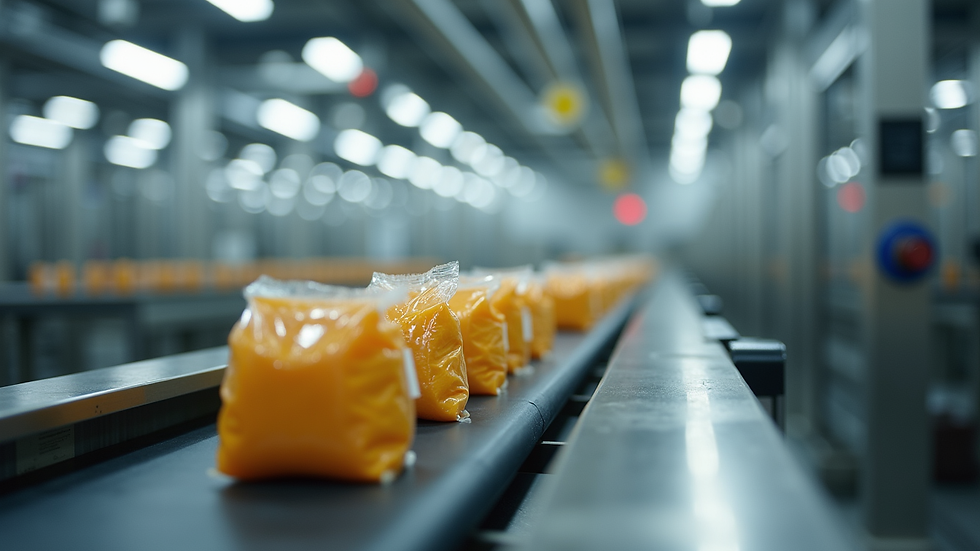
Best Practices for Working with a Contract Manufacturer
To maximize the benefits of efficient manufacturing services, consider these best practices:
Define Clear Specifications
Provide detailed product formulations, packaging requirements, and quality standards upfront.
Establish Regular Checkpoints
Schedule progress reviews to address issues early and keep production on track.
Maintain Open Communication
Share forecasts and market insights to help the manufacturer plan capacity.
Invest in Relationship Building
A strong partnership fosters collaboration and problem-solving.
Plan for Contingencies
Discuss backup plans for supply chain disruptions or equipment failures.
Following these steps helps ensure your manufacturing partnership runs smoothly and supports your brand’s growth objectives.
Preparing Your Brand for Market Success
Efficient manufacturing services are only one part of the equation. To succeed, brands must also focus on:
Product Development
Innovate with unique flavors, clean labels, or functional benefits.
Packaging Design
Create attractive, sustainable packaging that appeals to consumers.
Regulatory Compliance
Ensure labeling and claims meet legal requirements.
Marketing and Distribution
Develop strategies to reach target customers effectively.
By combining these efforts with a reliable manufacturing partner, brands can accelerate their path to market and build lasting consumer trust.
Moving Forward with Confidence
Choosing the right manufacturing partner is a strategic decision. Efficient manufacturing services provide the foundation for consistent quality, scalability, and cost control. By partnering with experts like OMP, food brands can focus on innovation and growth while leaving production complexities to trusted professionals.
I encourage you to evaluate your current manufacturing approach and consider how a dedicated contract manufacturer can enhance your operations. With the right support, your food product can reach consumers faster and maintain the high standards they expect.
Explore how omp manufacturing services can help you achieve these goals and position your brand for success in a competitive market.


Comments